
How to Improve Diesel Fuel Economy Fast

AdBlue Delete Service Guide for UK Drivers
June 11, 2026
AdBlue Warning After Refill? What It Means
June 15, 2026
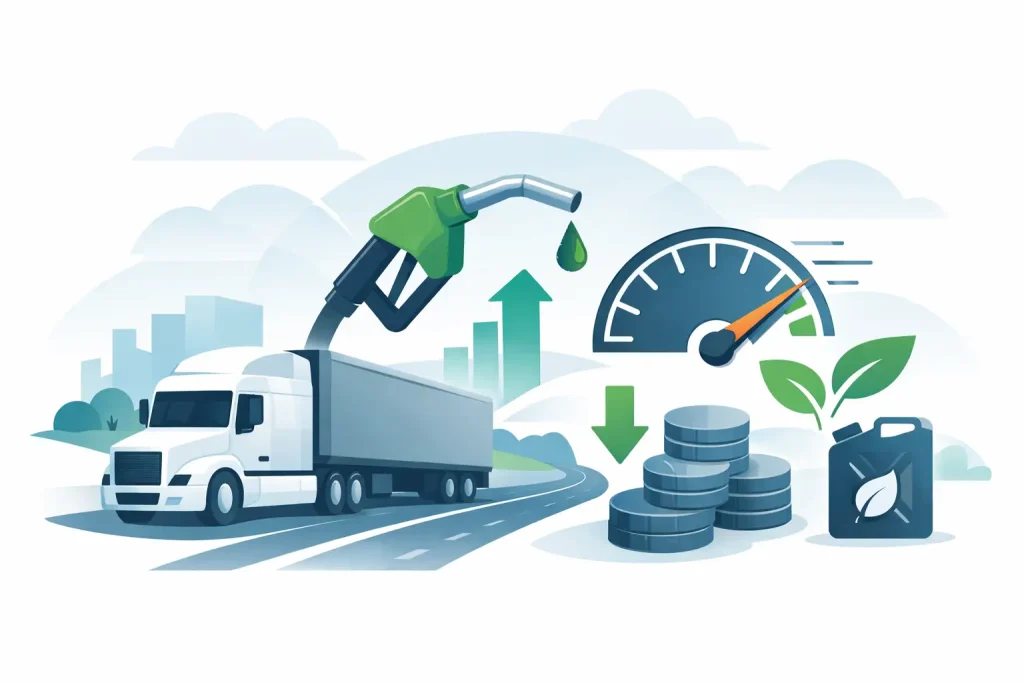
Fuel economy usually starts dropping before most drivers notice. It is not one dramatic failure. It is a van that needs filling a bit sooner, a 4×4 that feels heavier on short runs, or a diesel car that starts doing fewer miles from the same tank. If you are wondering how to improve diesel fuel economy, the answer is rarely one magic fix. It is a mix of driving habits, maintenance, and making sure the engine is not fighting faults in the background.
That matters even more with modern diesels. On paper, they are built for efficiency. In the real world, clogged intake parts, failed sensors, DPF trouble, poor-quality fuel, underinflated tyres and stop-start driving can drag economy down fast. Add emissions-system issues into the mix and you can end up paying more at the pump while the vehicle feels worse to drive.
How to improve diesel fuel economy without wasting money
The biggest mistake people make is chasing cheap add-ons and miracle bottles before checking the basics. If your diesel has a fault, no fuel treatment is going to outsmart it. Start with what actually changes consumption in the real world.
Tyre pressure is the obvious one, but it gets ignored all the time. A tyre that is even slightly low increases rolling resistance, which means the engine works harder for every mile. On a car, that hurts economy. On a loaded van, it hurts even more. Check pressures cold and set them to the correct spec for the way the vehicle is actually being used, especially if you are carrying tools, stock or heavy gear most days.
Weight matters too. Plenty of vans and SUVs spend their lives hauling dead weight around – old parts, unused kit, roof bars, racks and boxes that never come off. Every extra kilo costs fuel. Roof accessories are particularly bad because they add drag as well as weight. If it is not earning its keep, take it off.
Then there is service history. Dirty air filters, tired oil, poor-quality filters and overdue servicing all chip away at efficiency. None of these alone may look dramatic, but together they can make a diesel feel flat and thirsty. A properly serviced engine breathes better, burns fuel cleaner and usually pulls more smoothly at lower revs.
Driving style makes a bigger difference than most people think
If you want to know how to improve diesel fuel economy quickly, look at how the vehicle is being driven before spending money on modifications. Diesel engines reward smooth inputs. Hard acceleration, late braking and sitting in the wrong gear all waste fuel.
A diesel makes its torque low down. You do not need to thrash it to make progress. Short-shifting and using that torque properly will usually save fuel, especially in day-to-day driving. But there is a balance. Labouring the engine in too high a gear is no good either. If it is bogging down, you are not driving efficiently – you are making it work badly.
Cruising speed has a huge effect as well. Once speed rises, aerodynamic drag climbs hard. That means the jump from 60 to 70 mph can cost more fuel than many drivers realise, particularly in vans, pick-ups and taller vehicles. If your mileage is mainly motorway or dual carriageway, easing off a touch often gives a better return than any gadget ever will.
Short journeys are another killer. Diesels are at their best when they get properly warm and stay there. Repeated cold starts, school-run miles and stop-start urban driving hurt economy and increase the chance of DPF and EGR trouble. If your driving pattern is mostly short local runs, the issue may not be your technique at all – it may be that the vehicle never gets the conditions it needs to operate efficiently.
Hidden faults that wreck diesel mpg
This is where many owners get caught out. The vehicle still starts, still drives and may not even show a warning light at first, but fuel economy drops because the engine management is compensating for a problem.
A tired MAF sensor can skew air readings. A sticking EGR valve can upset combustion. A blocked DPF can increase back pressure and force extra regeneration events. Faulty NOx sensors and AdBlue-related problems can push the system into poor operating strategies or limp mode. Even a thermostat stuck open can stop the engine reaching proper temperature, which means it may run less efficiently than it should.
These are not theory problems. They are common diesel headaches across cars, vans and 4x4s in the UK. And when they are left alone, they usually cost more than fuel. They can lead to warning lights, poor performance, failed MOT emissions tests, repeated breakdown risk and expensive dealer quotes for parts-chasing that does not always solve the root cause.
That is why diagnostics matter. If your mpg has suddenly dropped, the engine feels sluggish, it is regenerating too often, or the fan is running when it should not, stop guessing. Proper fault finding beats replacing random parts every time.
Fuel quality, injector health and combustion
Not all diesel burns the same. Poor-quality fuel can contribute to rough running, smoke and reduced economy, especially over time. For drivers who mainly use supermarket fuel, there is not always a dramatic downside, but if the engine is already marginal because of injector wear or carbon build-up, fuel quality can tip it over.
Injectors are a big one. When they are not spraying correctly, combustion suffers. That means wasted fuel, rough idle, harder starting and less clean power delivery. You may notice a haze from the exhaust, a harsher engine note or a general feeling that the vehicle is doing more work for less result.
Additives can help in some cases, but they are not a cure for failing hardware. If the injectors are worn or the spray pattern is poor, no bottle is going to put that right. The same goes for serious carbon build-up in the intake path. Sometimes the answer is cleaning, repair or calibration – not hope.
Remapping and setup – when it helps and when it does not
A good ECU remap can improve drivability and, in the right conditions, fuel economy. That is because a well-calibrated map can optimise torque delivery, reduce the need to over-rev the engine and make the vehicle easier to drive in its most efficient range. For motorway drivers, van owners and anyone doing regular A-road mileage, that can make a real difference.
But here is the honest bit. A remap is not a cheat code. If your tyres are low, your DPF is blocked, your EGR is sticking and you drive everywhere flat out, a remap will not magically turn the vehicle into an economy champion. It works best when the engine is healthy and the vehicle has no unresolved faults.
The same rule applies to emissions-system issues. If the car or van is constantly battling AdBlue faults, NOx sensor failures or repeated limp mode, economy often suffers because the engine is not operating as it should. Sorting those problems properly can be part of improving efficiency, not just performance or reliability. That is one reason mobile diesel specialists like Bolt Remaps get called out so often – people are tired of wasting money on repeat failures and dealer guesswork.
How to improve diesel fuel economy for vans and work vehicles
Work vehicles have their own pattern. They idle too long, carry too much weight, do mixed driving and often miss maintenance because downtime costs money. That combination eats fuel.
If you run a van, cut idle time first. Leaving it running while loading up, sorting paperwork or waiting outside a job is just burning money. Modern diesels do not need long warm-ups. Start it, let oil circulate for a moment, then drive it gently until it reaches temperature.
Route planning helps more than people think. A slightly longer route with less traffic can use less fuel than a shorter route full of crawling traffic and harsh stop-start sections. Drivers who use the same local roads every day already know which routes flow and which ones are a waste of time. Use that knowledge.
For fleet or business users, consistency matters. One van doing poor mpg may be a driver issue. Several doing poor mpg at once points to maintenance, loading or operating style. Track it early and you catch problems before they turn into breakdowns or big repair bills.
The smart way to get better economy
The smart approach is simple. Get the vehicle checked if the drop is sudden. Service it properly. Keep tyres right. Strip out useless weight. Drive on torque, not aggression. Fix emissions and sensor faults before they become bigger problems. Then, if the vehicle is healthy and suits it, look at calibration improvements that sharpen the way it delivers power.
That is how you improve diesel economy in the real world – not with gimmicks, not with wishful thinking, and not by ignoring warning signs until the bill gets ugly.
If your diesel is costing more to run than it should, treat that as a symptom, not bad luck. The right fix usually saves fuel, saves hassle and gets the vehicle back to doing what it is meant to do – earning its keep without draining your wallet.